Key takeaways
- Deepen skies and cut glare with these CPL filters, chosen for clean glass, smooth rotation, true colors and slim 77mm rings for outdoor shots.
A circular polarizer is the one filter that changes a photograph in a way editing cannot fully copy. It cuts glare from water and glass, deepens a blue sky, and pulls rich color out of wet leaves and foliage before the light ever reaches the sensor. The effect is visible through the viewfinder the moment the front ring turns, and it grows stronger or fades away as the ring rotates. For landscape, travel, and outdoor work, a good CPL earns its place in the bag faster than almost any other accessory. All five filters below share the same 77mm thread, the most common size on full-frame standard zooms, and each one is a standalone circular polarizer with no neutral-density or UV layer mixed in.
As an Amazon Associate, we earn from qualifying purchases.
Quick Answer
The Tiffen Digital HT CPL is the pick for most shooters, with multi-coated glass and a slim ring that stays out of the way on wide zooms. The Amazon Basics CPL is the sensible first polarizer for anyone who wants the effect without a large outlay. The NiSi True Color CPL suits color-critical work, while the ZEISS and B+W options serve shooters who value coating heritage and classic build.
1. Tiffen 77mm Digital HT Multi Coated CPL Filter

Tiffen built the Digital HT line for shooters who want a polarizer that disappears between the lens and the scene. The multi-coated glass keeps flare and ghosting under control when the sun sits just outside the frame, which is exactly where a polarizer does its hardest work. The ring is slim enough that vignetting stays out of the picture on most standard zooms, and the front element turns with a smooth, damped feel that makes fine adjustments easy. Dial the effect in slowly while watching the sky or a reflective surface, and the change in color and contrast is plain to see.
The HT coating stack also helps the filter clean up after a day outdoors. Fingerprints and water spots wipe away without a fight, and the glass resists the kind of smearing that can soften an image. This is the filter to reach for when the light is harsh and the scene has both bright sky and dark foliage, since the polarizing effect balances those extremes in a way a bare lens cannot. It threads onto any lens with a 77mm front thread and accepts a lens cap on its front thread.
Specs
- Type: Circular polarizer (CPL)
- Thread size: 77mm
- Glass: Multi-coated optical glass
- Ring: Slim profile with rotating front element
- Model: 77HTCP
2. ZEISS T* Anti-Reflective POL Circular Polarizer Filter 77mm

ZEISS lenses carry a long reputation for coating quality, and the T* anti-reflective coating on this polarizer is the same family of coatings that made the brand a byword for clean, high-contrast images. The coating cuts internal reflections inside the filter itself, so bright highlights keep their shape instead of blooming into haze. Colors stay neutral rather than drifting warm, which matters when the same scene will be printed or graded later.
The mount turns smoothly and holds its position once set, so the chosen level of polarization does not drift while the camera moves. On water scenes the effect is dramatic: surface glare falls away and the color beneath the surface comes forward. On glass buildings and car windows the filter peels back reflections that would otherwise hide the subject. It is a straightforward, well-made tool with no extra features to get in the way, and it suits shooters who already trust ZEISS glass on the front of their lenses.
Specs
- Type: Circular polarizer (CPL)
- Thread size: 77mm
- Coating: ZEISS T* anti-reflective coating
- Mount: Rotating mount with smooth action
- Use: Glare control on water, glass, and foliage
3. B+W 77mm Circular Polarizer Filter with Single Coating
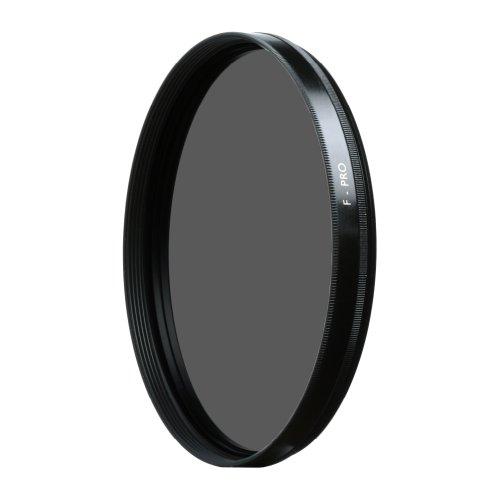
B+W has made filters in the same German tradition for decades, and this single-coated circular polarizer is the classic of the group. The single coating keeps the glass simple and the image honest, with a gentle character that suits film-era lenses and modern optics alike. The F-Pro mount ring is solid in the hand and threads on without binding, even after the filter has lived in a bag for months.
Where this filter earns its keep is in everyday outdoor shooting. It deepens skies on a clear day, takes the shine off leaves after rain, and cuts the mirror finish off calm water so the color below shows through. The single coating means it asks for a little more care with the sun in the frame than a multi-coated rival, but used with a hood it performs with quiet confidence. For shooters who like tools with a long track record and no fuss, this is the dependable choice.
Specs
- Type: Circular polarizer (CPL)
- Thread size: 77mm
- Glass: Single-coated optical glass
- Mount: F-Pro mount ring
- Model: 65-1065310
4. Amazon Basics 77mm Circular Polarizer Filter

Not every shooter needs a premium filter to learn what a polarizer can do, and the Amazon Basics CPL is the low-friction way to find out. It does the core job well: rotate the front ring and reflections fade, skies deepen, and foliage gains saturation. The glass is multi-coated to keep flare in check, and the slim aluminum frame keeps the filter light on the front of the lens.
This is the filter to buy first if the polarizer habit is still unproven. It costs little enough that keeping it in the bag as a spare makes sense even after a premium filter joins the kit. It also makes a good travel companion, since losing or scratching a filter on a trip hurts far less when the replacement is simple to arrange. The 77mm thread fits the same lenses as the other picks here, and a step-up ring adapts it to smaller lenses without a second purchase.
Specs
- Type: Circular polarizer (CPL)
- Thread size: 77mm
- Glass: Multi-coated glass
- Frame: Slim aluminum frame with rotating front ring
- Use: First CPL, travel spare, everyday outdoor shooting
5. NiSi 77mm True Color Pro Nano Circular Polarizing Filter

NiSi built its True Color line around one promise: a polarizer that removes glare without adding a warm cast to the image. Many polarizers shift colors slightly toward amber, which forces extra correction later. The True Color CPL keeps whites white and blues blue, so the color that reaches the sensor is the color that was in the scene. For landscape work where the sky and the foliage both matter, that neutrality is worth having.
The Pro Nano coating sheds water and oil, so rain and fingerprints bead up instead of smearing across the glass. The two-tone frame, with a silver back ring and a black front ring, is machined aluminum and turns with a precise, even feel. The front thread accepts a lens cap, and the slim profile suits wide-angle zooms. This is the pick for shooters who grade their images carefully and want the filter to add polarization and nothing else.
Specs
- Type: Circular polarizer (CPL)
- Thread size: 77mm
- Coating: Pro Nano coating, water and oil resistant
- Color: True Color design for neutral color with no warm cast
- Frame: Two-tone aluminum frame, silver back ring and black front ring
- Model: NIR-TCCPL-77
How to Choose the Best CPL Filters
Thread size comes first. A filter must match the front thread of the lens it serves, and every pick here is 77mm. Check the number printed on the front of the lens barrel or inside the lens cap, and if the lens is smaller, a step-up ring adapts it to a 77mm filter. Buying one size and adapting it across lenses beats owning a drawer of mismatched filters.
Coating quality comes next. Multi-coated and nano-coated glass resists flare when the sun is near the frame and cleans up more easily after rain or fingerprints. Single-coated glass is simpler and often kinder on the wallet, and it performs well with a lens hood in place. Either way, look for a rotating front ring that turns smoothly and stays where it is put, since the polarizing effect depends on fine adjustment.
Slim rings matter on wide-angle lenses, where a thick filter can darken the corners of the frame. All five picks here use slim profiles for that reason. Color neutrality matters too: a filter that adds a warm cast forces correction in every image, while a neutral filter like the NiSi keeps the scene honest. Finally, remember that a CPL is not a UV filter and not a neutral-density filter. It does not exist to protect the front element, and it does not cut light by a fixed amount for long exposures. It exists to control polarized light, and that is a job nothing else in the bag does.
Who Should Skip CPL Filters
A CPL filter is an outdoor tool, and shooters who work only indoors under artificial light will see little benefit from one. The effect depends on polarized light from the sky, and under ceiling lights there is almost nothing for the filter to work on. Ultra-wide-angle shooters should also think carefully: at very wide focal lengths the sky can polarize unevenly, leaving a darker band across part of the frame that is hard to fix later.
Anyone looking for a leave-it-on protection filter should buy a UV filter instead, since a CPL costs about one to two stops of light and softens the image slightly when left on in dim conditions. Video shooters who need long exposures in bright light need a neutral-density filter rather than a polarizer, though the two can be stacked when the scene calls for both. If none of those cases apply, a CPL belongs in the bag.
Final Verdict
The Tiffen Digital HT CPL is the pick for most photographers: multi-coated glass, a slim ring, and smooth rotation cover the widest range of outdoor scenes. The Amazon Basics CPL is the right first polarizer, doing the core job well at a modest outlay. The NiSi True Color CPL is the choice for color-critical landscape work, where a neutral image matters more than anything. The ZEISS T* POL suits shooters who value coating heritage and clean highlights, and the B+W single-coated CPL remains the classic, dependable option. Whichever one is chosen, the habit matters more than the brand: rotate the ring, watch the scene change, and shoot when the effect looks right.
Frequently Asked Questions
What does a CPL filter do that editing cannot copy?
A CPL filter removes polarized glare from water, glass, and foliage before the light reaches the sensor, revealing color and detail hidden beneath the reflection. Editing can darken a sky or boost saturation, but it cannot recover detail that glare washed out at capture time. The filter changes the light itself, which is why the effect looks natural.
Will a CPL filter fit my lens?
A CPL filter fits any lens with a matching front thread size, and all five picks here are 77mm. Check the thread size printed on the lens barrel or inside the lens cap. Lenses with smaller threads can use a step-up ring to mount a 77mm filter, while lenses with larger threads need a larger filter.
Does a CPL filter darken the whole image?
A CPL filter costs about one to two stops of light across the whole frame, so the camera compensates with a slower shutter speed, a wider aperture, or a higher sensitivity setting. The polarizing effect itself is selective: it darkens blue skies and cuts reflections most strongly at an angle to the sun, while leaving the rest of the scene largely unchanged.
Can I stack a CPL filter with other filters?
A CPL filter can be stacked with a UV or neutral-density filter, but each added layer of glass raises the chance of flare and corner darkening on wide lenses. Stack only when the scene needs both effects, keep the CPL closest to the lens, and check the corners of the frame before shooting. For most outdoor work, the CPL alone is enough.
Product and ASIN Reference
| Product | ASIN |
|---|---|
| Tiffen 77mm Digital HT Multi Coated CPL Filter | B00158THUA |
| ZEISS T* Anti-Reflective POL Circular Polarizer Filter 77mm | B0061GL5V0 |
| B+W 77mm Circular Polarizer Filter with Single Coating | B00485WLB4 |
| Amazon Basics 77mm Circular Polarizer Filter | B00XNMYJKO |
| NiSi 77mm True Color Pro Nano Circular Polarizing Filter | B09XQXPG3C |