Key takeaways
- Learn the best battery operating temperature for lithium ion, lead acid, and NiMH cells, and how heat and cold affect capacity, lifespan, and safety.
As an Amazon Associate, we earn from qualifying purchases.
Every battery has a temperature range where it works best. Inside that range, it delivers close to its rated capacity, charges efficiently, and ages slowly. Outside it, capacity drops, charging becomes inefficient or unsafe, and the battery wears out faster. The best battery operating temperature is not a single number. It depends on the chemistry, the application, and whether the battery is discharging, charging, or simply sitting in storage.
This guide covers the ideal operating temperatures for the battery types most people actually use: lithium ion, lithium iron phosphate, lead acid, and nickel metal hydride. It explains what heat and cold do inside a cell, how to spot temperature related problems, and what you can do to keep batteries in their comfort zone in real homes, vehicles, and outdoor use.
Why Temperature Matters So Much
A battery is a chemical device, and chemical reactions speed up as temperature rises and slow down as it falls. At moderate temperatures, the reactions inside the cell proceed at the intended rate, ions move freely through the electrolyte, and the battery delivers its rated performance. Push the temperature up and the reactions speed up, which sounds useful, but side reactions speed up too. Those side reactions are what age a battery: they consume active material, grow unwanted layers on the electrodes, and slowly reduce capacity.
Cold has the opposite effect. The electrolyte thickens, ion movement slows, and the internal resistance of the cell rises. The battery can still deliver power, but less of it, and voltage sags under load. A phone that shows 40 percent charge can shut down in freezing weather because the voltage drops below the cut off point, even though the energy is still in the cell. Warm the phone up and the charge seems to return, because it was never gone, only temporarily unreachable.
Charging is more sensitive than discharging. Charging a lithium ion cell below freezing can cause lithium plating, where metallic lithium deposits on the anode instead of being absorbed into it. Plated lithium does not come back, so capacity is lost permanently, and in severe cases the deposits can grow into structures that damage the cell. This is why good battery management systems refuse to charge cold lithium cells, or charge them very slowly until they warm up.
Lithium Ion: The Everyday Standard
Lithium ion is the chemistry in phones, laptops, power tools, electric vehicles, and most rechargeable devices. Its comfortable operating range for discharging is roughly 0 to 45 degrees Celsius, with the sweet spot around 20 to 25 degrees. In this range, a lithium ion cell delivers its rated capacity and ages at the expected rate.
Charging is narrower. Most manufacturers recommend charging between 0 and 45 degrees, and many battery management systems add extra caution below 5 degrees. Fast charging generates heat of its own, so a phone that fast charges in a warm room can easily push its battery above 40 degrees. That is not immediately dangerous, but repeated hot charging accelerates ageing. If your phone feels hot while charging, remove the case, move it out of sunlight, and consider a slower charger overnight.
Storage is a separate question. A lithium ion battery stored at around 20 degrees and about half charge ages slowest. Storing a fully charged battery in a hot place is one of the fastest ways to wear it out. A battery left at full charge in a car on a summer day can lose a noticeable share of its capacity in weeks. For long term storage, charge to roughly half, keep the battery cool and dry, and check it every few months.
Heat above 60 degrees is dangerous for lithium ion. The separator inside the cell can begin to fail, and in extreme cases the cell can enter thermal runaway, a self sustaining reaction that produces intense heat and fire. This is rare in well made cells, but it is the reason batteries should never be left in direct sunlight, on a hot dashboard, or next to a heater.
Lithium Iron Phosphate: The Tougher Alternative
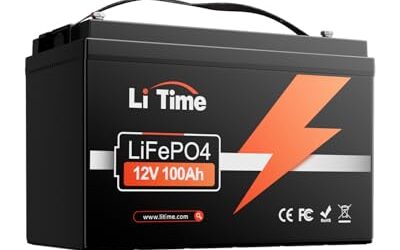
Lithium iron phosphate, usually called LiFePO4 or LFP, is increasingly common in solar storage, recreational vehicles, boats, and portable power stations. It tolerates heat better than standard lithium ion and lasts for many more charge cycles. Its discharge range is wider, typically from minus 20 to 60 degrees, and it handles warm conditions with less capacity loss.
Charging is still the weak point in the cold. Most LiFePO4 batteries should not be charged below freezing, and many include a built in heater or a battery management system that blocks charging until the cells warm up. This matters for solar and off grid installations in cold climates, where a battery can sit below freezing overnight and then receive charge from solar panels at dawn. A system without cold charge protection can be damaged on the first cold morning of winter.
For warm climates, LiFePO4 is the safer and longer lasting choice. A battery bank in a hot garage or a vehicle in summer will age far more slowly as LiFePO4 than as standard lithium ion. The trade off is lower energy density, so the battery is larger and heavier for the same capacity, and a higher upfront cost.
Lead Acid: The Old Workhorse
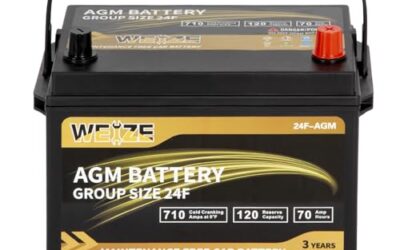
Lead acid batteries power cars, boats, golf carts, and backup systems. They are more tolerant of temperature extremes than lithium, but their performance still changes a lot with temperature. A lead acid battery delivers its rated capacity at around 25 degrees. At freezing point, available capacity drops to roughly two thirds of rated, and at minus 20 degrees it can fall to about half. That is why a car battery that starts fine in summer can fail on the first cold morning of winter.
Charging voltage for lead acid must be adjusted for temperature. Cold batteries need a higher charging voltage to reach full charge, and hot batteries need a lower voltage to avoid overcharging. Good chargers and solar controllers include temperature compensation, adjusting the voltage automatically. A charger without compensation will undercharge a cold battery and overcharge a hot one, both of which shorten its life.
Heat is the main enemy of lead acid lifespan. Every sustained rise of about 10 degrees above 25 roughly halves the life of a lead acid battery. A battery in a hot engine bay ages far faster than one in a cool location. Keep lead acid batteries ventilated, because charging produces hydrogen gas, and check electrolyte levels in flooded types regularly in hot weather, since water loss speeds up as temperature rises.
Nickel Metal Hydride and Nickel Cadmium
Nickel metal hydride, or NiMH, is the chemistry in most rechargeable AA and AAA cells. It works well from around 0 to 40 degrees for discharging, and charges best between 10 and 30 degrees. Cold reduces capacity noticeably, and heat during charging is a sign that the cell is full or that the charger is pushing too hard. NiMH cells are more forgiving of temperature abuse than lithium, but they still lose capacity faster when stored hot and fully charged.
Nickel cadmium is now rare in consumer products, but it appears in some industrial and emergency equipment. It tolerates cold better than most chemistries and can be charged at low temperatures that would damage lithium. Its use is declining because of the toxicity of cadmium and the better performance of newer chemistries.
Alkaline batteries, the non rechargeable cells in remotes and torches, also lose capacity in the cold and can leak if stored hot. They are not designed for temperature extremes, and a leaking alkaline cell can damage the device it is in. Store spares at room temperature and remove them from devices that will sit unused for months.
What Cold Does in Practice
Cold weather is the most common temperature problem for ordinary users. An electric vehicle loses range in winter, partly because the battery delivers less energy and partly because heating the cabin draws power. A phone dies on a ski slope. A power tool battery that worked yesterday barely turns the motor this morning. In all these cases, the battery is not broken. It is cold.
The fix is usually simple: warm the battery before use. Keep a phone in an inside pocket rather than a bag. Bring power tool batteries indoors overnight in winter. Store an electric vehicle plugged in when possible, so the battery management system can keep the pack warm. Never try to fast charge a cold lithium battery. Let it warm to above freezing first, or use a charger and battery that manage the process.
Cold storage is less damaging than cold use. A lithium battery stored cold at partial charge ages slowly, which is fine. The damage comes from charging while cold or from demanding high current while cold. If a battery has been in a freezing garage, bring it inside and wait until it reaches room temperature before charging it.
What Heat Does in Practice
Heat is the quieter killer, because it does its damage slowly and the battery seems fine until capacity has dropped. A laptop that lives on a desk above a radiator, a phone left on a sunny windowsill, a power station in a hot van: all of these age their batteries faster than the owner expects. The capacity loss is permanent. No amount of careful use afterwards restores it.
Watch for warning signs. A battery that swells, a device that gets unusually hot during ordinary use, or a battery that loses charge much faster than it used to are all reasons to stop using it and have it checked. Swelling in a lithium battery means gas is building up inside, and the battery should be taken out of service and recycled safely. Never puncture or squeeze a swollen battery.
In vehicles, the dashboard and the boot can reach extreme temperatures in summer. Remove batteries, power banks, and devices from a parked car when you can. If you must leave a power bank in a vehicle, keep it out of direct sunlight and in the coolest spot available.
Keeping Batteries in Their Comfort Zone
For home use, the rules are simple. Store batteries at room temperature, away from radiators, windows, and exterior walls that get hot or cold. Keep rechargeable cells at about half charge if they will sit unused for months. Use the charger that came with the device or a quality replacement, and avoid charging in hot places.
For outdoor and vehicle use, insulation helps more than most people expect. A battery box, an insulated bag, or simply keeping batteries inside the vehicle cabin rather than the boot can keep them several degrees warmer in winter. In summer, shade and ventilation matter more than insulation. A battery that sits in still, hot air will keep heating up; one with airflow around it will stay closer to the surrounding temperature.
For solar and off grid systems, place the battery bank in a location that stays moderate year round, such as an insulated garage or a dedicated enclosure, rather than an uninsulated shed. If the climate regularly drops below freezing, choose a battery with built in cold charge protection or a heating pad. If the climate is hot, choose LiFePO4 and make sure the enclosure is ventilated.
Frequently Asked Questions
What is the best operating temperature for a lithium ion battery? Around 20 to 25 degrees Celsius for both use and storage. Discharging is acceptable from roughly 0 to 45 degrees, but capacity and lifespan are best near room temperature.
Can I charge a battery when it is cold? For lithium ion, do not charge below freezing. Let the battery warm up first, or use a battery with built in cold charge protection. Lead acid can be charged cold, but it needs a higher voltage to reach full charge.
Does cold permanently damage a battery? Cold use alone rarely causes permanent damage to lithium cells, though capacity drops while cold. Charging while cold is what causes permanent harm. Lead acid batteries can be permanently damaged if they freeze while discharged, because the electrolyte becomes mostly water and expands.
Why does my phone battery drain faster in winter? The battery delivers less usable energy when cold, voltage sags under load, and the phone may shut down early to protect itself. Warming the phone restores most of the apparent capacity.
Is it safe to leave batteries in a hot car? No. A parked car in summer can exceed 60 degrees, which is dangerous for lithium batteries and shortens the life of every chemistry. Take batteries and devices with you when you leave the car.
Final Thoughts
The best battery operating temperature is room temperature, roughly 20 to 25 degrees, for almost every chemistry. Heat shortens life, cold reduces performance, and charging outside the safe range causes the most damage of all. Lithium ion is happiest near room temperature, LiFePO4 tolerates heat better but still needs protection from cold charging, and lead acid needs its charging voltage adjusted for the seasons.
You do not need a laboratory to look after your batteries. Store them cool and dry, keep them out of hot cars and freezing garages, warm cold cells before charging, and retire any battery that swells or gets hot during ordinary use. Those few habits will give you more capacity, longer life, and safer batteries in every device you own.