Our Short List of 3
All 3 Picks at a Glance
| Product | Specs | Action |
|---|---|---|
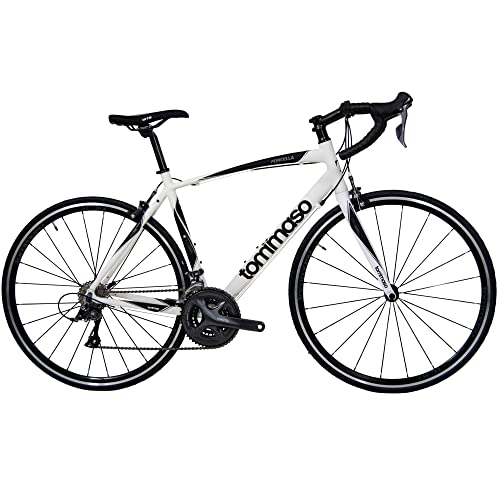 Tommaso Forcella (ASIN B0F4NTMP45): The Step-Up Build | Check price on Amazon | |
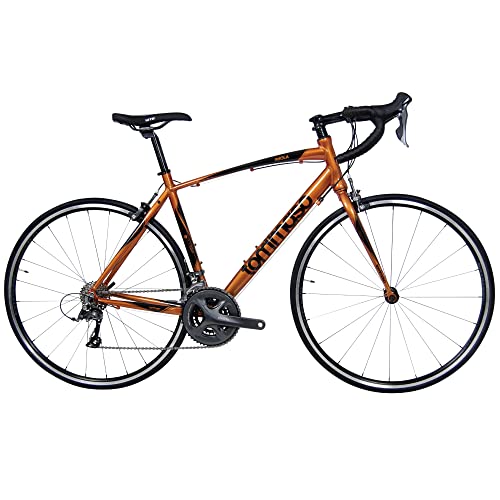 Tommaso Imola (ASIN B0F4NRG9TJ): The Entry Build | Check price on Amazon | |
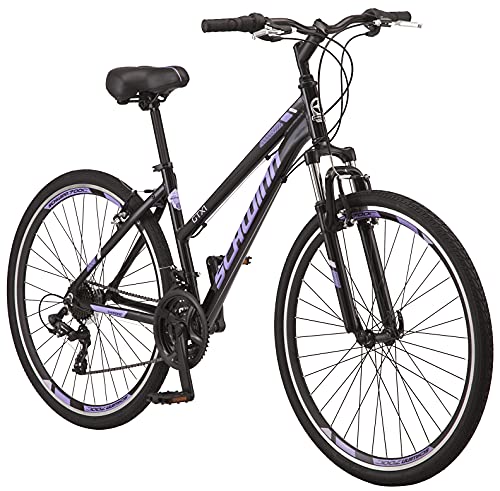 Schwinn GTX (ASIN B08239VFK6): The Upright Alternative | Check price on Amazon |
Key takeaways
- The best road bikes under the 1K line that verifiably sell on Amazon US: two Tommaso Claris builds and a Schwinn alternative, with assembly and sizing checks.
The segment below the four-figure line is where road cycling starts for most riders, and it is also where Amazon US listings are at their most chaotic. Model names persist across specification changes, groupsets get described by their speed count rather than their tier, and a bike photographed as a racer turns out to have a flat handlebar. This guide takes the verified route through that segment. Each pick below was confirmed against its Amazon listing record and independent records of that same listing, the specifications quoted are the ones those records carry, and the segment is described in words rather than figures, because what matters is what this class of bike is, not what any one listing happens to ask for it on a given day. Two Tommaso builds anchor the guide, with a Schwinn alternative for riders whose riding is more fitness than drop-bar.
Disclosure: As an Amazon Associate, this site may earn from qualifying purchases made through links in this article, at no additional cost to you.
What This Segment Buys, Honestly
A road bike in this class is an aluminium frame, a carbon or steel fork depending on the model, and an eight or nine speed drivetrain from Shimano’s Claris or Sora tiers, with rim brakes or mechanical disc brakes and wheels that are serviceable rather than light. That is not a apology; it is the specification that has introduced more riders to the sport than any other. Claris and Sora shift reliably, parts are inexpensive and everywhere, and an aluminium frame in this class will outlast its rider’s first ambitions. What the segment does not buy is electronic shifting, hydraulic brakes, carbon frames, or wheels worth upgrading around. A rider who understands that division will be happy here. A rider who expects the flagship experience at this level will not, and no listing copy should tell them otherwise.
Fit and assembly matter more than spec at this level. These bikes arrive partly assembled, and the finishing work, truing wheels, adjusting gears and brakes, torquing the cockpit, is either a home mechanic’s hour or a shop’s setup fee. Price that work into the purchase whichever route you choose, and treat any listing that promises a bike ready to race out of the box with the scepticism it deserves.
The Picks
Tommaso Forcella (ASIN B0F4NTMP45): The Step-Up Build
The Forcella is the stronger of the two Tommaso builds in this guide. Its current listing describes an aluminium frame with a carbon fork and a Shimano Claris R2000 drivetrain arranged as a triple chainset with an eight-speed cassette, giving twenty-four gears with a genuinely low bottom end for climbing. That gearing choice suits the rider this bike is for: new to drop bars, riding hills at endurance pace, better served by a low gear that exists than by a fashionable double that leaves them walking. The carbon fork takes the edge off coarse pavement in a way the steel and aluminium forks at this level do not. The model’s listing rests on multiple independent records of the current Amazon listing, and its older listing generation confirms the line’s history on the platform. Confirm the current build on the live listing before ordering, because direct brands revise specifications within a model name.
Tommaso Imola (ASIN B0F4NRG9TJ): The Entry Build
The Imola is Tommaso’s entry road bike, listed with a Shimano Claris drivetrain in a twenty-four-speed arrangement on an aluminium frame. Against the Forcella it gives up the carbon fork and some finishing refinement, and in return it is the simpler, lighter-on-the-wallet route into the same riding position and the same serviceable groupset family. For a rider who is testing whether drop-bar riding suits them at all, or who needs a second bike for a trainer and winter roads, that trade is rational. Its current listing record is thinner than the Forcella’s, resting on a fresh record of the Amazon listing, so the pre-purchase check matters more here: read the live listing’s specification in full, confirm the Claris build and your size, and treat any mismatch between the headline and the specification table as a reason to pause.
Schwinn GTX (ASIN B08239VFK6): The Upright Alternative
Not every rider shopping this segment wants drop bars, and the GTX is the honest alternative for those who do not. It is a comfort hybrid rather than a road bike: an aluminium frame, a suspension fork, a Shimano drivetrain and 700c wheels in an upright geometry. Its listing is corroborated by multiple independent records, the strongest verification base of the three picks here. Fitness riding, commuting and mixed-surface paths are its ground, and within that ground it is a sound purchase. What it will not do is join a fast group ride or take drop-bar accessories, and it is included precisely so that riders whose riding looks like that choose it knowingly instead of buying a drop-bar bike they will not enjoy.
Sizing and Setup Checks That Decide the Purchase
Size by the maker’s chart, then by inseam. Direct brands publish height-based size charts; use them, and where you fall between sizes, the smaller frame is usually the easier fit for a new rider, since stems and seatposts adjust upward more gracefully than a too-large frame adjusts down.
Confirm the drivetrain in the specification table. Headlines compress; tables specify. The Claris builds above are eight-speed systems with wide ranges, and the exact chainset arrangement should be read in the listing’s own table, not inferred from a speed count in a title.
Plan the first tune. Cables settle and wheels seat in during the first weeks of riding, on any bike at any price. A setup check after the first few rides is normal maintenance, not a defect, and a shop will do it gladly for a fee even on a bike they did not sell.
Keep the return route in mind until the fit is proven. A bike that cannot be returned after a sizing mistake is a different purchase from one that can. Read the listing’s return terms for assembled bikes before the box is opened, not after the first ride.
Gearing, Brakes and Wheels: Reading the Specification Like a Mechanic
Three lines of the specification decide how a bike in this segment actually rides, and each is routinely misread. The first is gearing. A speed count by itself says almost nothing: a twenty-four-speed triple and a sixteen-speed double can cover the same range, and what matters is the lowest gear, the combination of the smallest chainring and the largest sprocket, because that is the gear that decides whether a new rider climbs their local hill seated or walks it. Both Tommaso builds above use triple chainsets precisely because their riders benefit from that low end, and a buyer comparing across brands should compare the lowest gear, not the count.
The second line is brakes. This segment divides between rim brakes and mechanical disc brakes, and the honest summary is that both stop a road bike well when they are set up properly. Rim brakes are lighter, simpler and easier to service at home; mechanical discs keep their braking in wet weather and do not wear the rim, at the cost of more demanding setup. Neither is a reason by itself to choose or reject a bike in this class, and a listing that presents one as a breakthrough is selling rather than informing.
The third line is wheels and tires, the part of the specification most likely to be upgraded first and therefore the part to judge most leniently now. Stock wheels in this segment are sturdy rather than light, and the tires they arrive with are chosen for durability. Both are consumables in the life of the bike. Judge the frame, the fit and the drivetrain as the purchase, because those are what you keep, and treat the rolling parts as serviceable starting points that can be improved when they wear or when your riding outgrows them.
Living With a Bike From This Segment
Ownership of an entry road bike follows a predictable and mostly pleasant pattern. The first month is adjustment: saddle height settles, the rider’s hands learn the hoods, and the cables take their initial stretch and are re-tensioned at the first tune. The first season is consumption: tires wear, brake pads wear, the chain stretches toward its replacement point, and each of those is a modest, standard part available anywhere. The second year is the decision point, and it is a compliment to the segment that the decision is usually about the rider rather than the bike. Some riders discover that fitness riding on the hybrid was their actual sport and sell the road bike happily. Some ride the entry bike for years exactly as it is. And some, having learned on a Claris build what they actually want, upgrade with knowledge they could not have bought any other way. All three outcomes are successes, and all three are cheaper for having started here. The bikes in this guide are built to be that starting point: serviceable, honestly specified, and priced by their class rather than by their aspirations. Buy the one that fits, set it up properly, and let the riding decide what happens next.
Frequently Asked Questions
Is Claris good enough for real road riding? Yes. Claris is Shimano’s entry road tier, with the same shift logic as the tiers above it, full parts availability, and reliability that suits training, commuting and long recreational rides. It is heavier and has fewer gears than Sora or Tiagra, which are the honest differences.
Should I choose the Forcella or the Imola? The Forcella if the carbon fork and the wider triple gearing matter to your roads; the Imola if you want the simplest route into drop-bar riding or a second bike. Both stand on the same groupset family.
Can these bikes take wider tires for comfort? Entry road frames typically clear tires in the mid to upper twenty-millimetre range. Check the listing’s stated clearance for the exact model, since it varies within a brand’s range.
Why does this guide describe the segment in words instead of figures? Because listings change their asking figures constantly while the class of bike stays the same from one season to the next. The specification is the durable information, and it is what the picks above are judged on.