Our Short List of 3

- Best for: A younger child on a first treasure hunt in the yard or park.
- Detects metal objects buried up to 6 inches below the surface
- Water-resistant base for puddles and wet ground
- Adjustable length to fit kids of different heights
- Built-in LED lights for low-light hunting

- Best for: Beach trips and older kids who want pinpoint digging.
- 7.4-inch waterproof dual coil
- Detects metal objects up to 6 inches below the ground
- LCD display with audible beep alert
- Pinpoint function for precise digging

- Best for: Younger kids who want lights, sounds and a simple game-like hunt.
- Suitable for children ages 6 and up
- Beeps and LED lights flash, speed up and change colour near metal
- Adjustable sensitivity and volume controls
- Lightweight, child-friendly design with dual search coil
All 5 Picks at a Glance
| Product | Specs | Action |
|---|---|---|
| ExploreOne Metal Detector for Kids |
| Check price on Amazon |
| National Geographic Metal Detector for Kids |
| Check price on Amazon |
| Science Mad Digital Metal Detector |
| Check price on Amazon |
 Brainstorm Outdoor Adventure Metal Detector |
| Check price on Amazon |
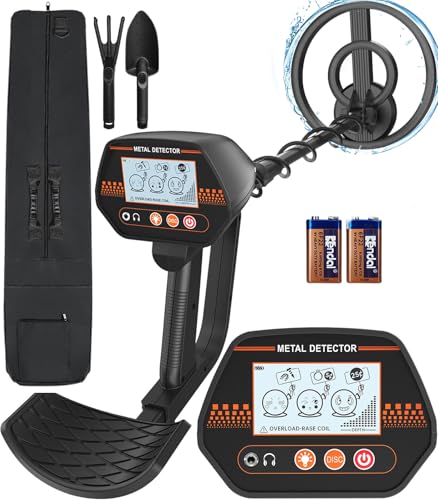 DetectTrek MD-4070 Metal Detector for Kids |
| Check price on Amazon |
Key takeaways
- Compare five kids metal detectors for beginners, from lightweight wands to waterproof treasure hunters with sounds and displays for young explorers.
A first metal detector turns an ordinary yard, park or beach into a treasure map. Kids love the beep that means something hides under the grass, and parents love a hobby that pulls children outside, keeps them moving and teaches patience. The trick is picking a machine built for small hands and short attention spans, not a scaled-down adult unit with cryptic controls.
The five detectors below all suit beginners. Each one is light enough for a child to swing, simple enough to use without a manual marathon, and tough enough to survive being dropped in the grass. They differ in coil size, screen, depth and the extras in the box, so the right pick depends on your child’s age, height and where the hunting will happen. Read the guide, match the machine to the child, and the first hunt can begin this weekend.
Quick Picks
As an Amazon Associate we earn from qualifying purchases
| Product | Best for | Key spec |
|---|---|---|
| ExploreOne Metal Detector for Kids | Youngest treasure hunters | Detects metal up to 6 inches deep |
| National Geographic Metal Detector for Kids | Beach trips and pinpoint digging | 7.4-inch waterproof coil with pinpoint mode |
| Science Mad Digital Metal Detector | Indoor and outdoor play | Flashing lights that change with proximity |
| Brainstorm Outdoor Adventure Metal Detector | Short hunts and small hands | 31.5-inch length with handheld mode |
| DetectTrek MD-4070 Metal Detector for Kids | Growing kids who want more control | 8-inch waterproof coil with 3 modes |
How to Choose
Match the Length and Weight to Your Child
A detector that is too long drags on the ground, and one that is too heavy tires small arms in minutes. Look for an adjustable shaft so the coil sits flat while your child walks normally, with the grip at a comfortable height. Most kids detectors weigh under two pounds, which suits an hour of swinging without strain. Measure your child against the listed length range before you buy, and favor a model that adjusts across several inches so it can grow with them for a season or two. A short, light machine gets used far more than a long, heavy one.
Look for Simple, Clear Signals
Kids lose interest fast when a machine beeps at everything or stays silent for no clear reason. The best beginner detectors use one or two obvious signals: a beep that rises as the coil nears metal, a light that flashes, or a small screen that shows a simple icon. Avoid models with menus, ground-balance dials and a dozen modes, since those features belong on adult machines. A child should be able to switch the detector on, sweep the coil and understand the signal within a minute. If the controls need an adult to explain them every time, the machine is too complex for a first hunt.
Decide How Much Water the Coil Will Meet
Many first hunts happen in the yard or park, where a plain coil is plenty. Beach hunting is different: wet sand, shallow puddles and surf demand a waterproof coil, and the listing should say so plainly. Note the difference between a waterproof coil and a waterproof machine — on most kids detectors only the coil can get wet, while the control box must stay dry. If your child will wade or hunt at the waterline, pick a model with a sealed coil and teach them to keep the handle and box out of the water. A dry control box keeps the hunt going all afternoon.
Check the Batteries and the Box Contents
A detector that needs a battery you do not own delays the first hunt, so check the battery type before you buy. Some models run on a single 9V battery, others on AA or AAA cells, and a few include batteries in the box. Keep spares on hand, since a flat battery ends an outing fast. Also look at what else comes with the machine: a small shovel, a carry bag or a digging tool turns a detector into a complete kit and saves a separate trip to the store. A learning guide helps too, giving a child ideas for where to hunt and what to look for.
The 5 Best Options
ExploreOne Metal Detector for Kids
- Best for: A younger child on a first treasure hunt in the yard or park.
- Detects metal objects buried up to 6 inches below the surface
- Water-resistant base for puddles and wet ground
- Adjustable length to fit kids of different heights
- Built-in LED lights for low-light hunting
A younger child on a first treasure hunt in the yard or park.
No screen, so a child who wants visual target clues may outgrow it sooner.
The ExploreOne is the simplest way to put a detector in a child’s hands. It weighs little, adjusts to fit growing kids and uses different tones to tell one metal from another, so a young hunter learns to listen before digging. The water-resistant base lets a child sweep through puddles and damp grass without worry, and the built-in LED lights keep the hunt going as daylight fades. With no screen to read and no modes to choose, this is the detector for a child who wants to hunt now, not learn a manual first.
National Geographic Metal Detector for Kids
- Best for: Beach trips and older kids who want pinpoint digging.
- 7.4-inch waterproof dual coil
- Detects metal objects up to 6 inches below the ground
- LCD display with audible beep alert
- Pinpoint function for precise digging
Beach trips and older kids who want pinpoint digging.
Only the coil is waterproof, so the control box must stay dry.
This National Geographic detector suits an older child who is ready for more than a beep. The 7.4-inch waterproof coil sweeps wet sand and shallow water, and the pinpoint function narrows the dig spot once a signal sounds, so holes stay small and finds come faster. Three detection modes and four sensitivity levels give a young hunter real control without a confusing menu, and the LCD screen shows what the coil senses. At about 1.4 pounds it stays light enough for a long beach walk, and it extends to 48 inches as a child grows.
Science Mad Digital Metal Detector
- Best for: Younger kids who want lights, sounds and a simple game-like hunt.
- Suitable for children ages 6 and up
- Beeps and LED lights flash, speed up and change colour near metal
- Adjustable sensitivity and volume controls
- Lightweight, child-friendly design with dual search coil
Younger kids who want lights, sounds and a simple game-like hunt.
Shorter range than the bigger coil models, so deep finds may be missed.
The Science Mad detector is built for younger explorers who learn by doing. It beeps and flashes its LED lights when metal is near, and the lights speed up and change colour as the coil closes in on a find, turning every sweep into a game. Sensitivity and volume controls let a parent tune the machine to a quiet garden or a noisy park, and the light, child-sized shaft suits small hands. It works indoors and outdoors, so a rainy day can still hold a treasure hunt across the living room floor.
Brainstorm Outdoor Adventure Metal Detector
- Best for: Small children and short walks in the garden or park.
- Length 31.5 inches (795 mm)
- Light and sound alerts when metal is found
- Switches to handheld mode for close-up hunting
- LED display
Small children and short walks in the garden or park.
The short length may feel small for a taller child.
The Brainstorm Outdoor Adventure detector is the lightest machine in this guide and the easiest to carry on a walk. At 31.5 inches it suits smaller children, and it switches to handheld mode for close-up hunting around rocks, roots and garden beds. Light and sound alerts give instant feedback on every find, and the LED display keeps the signal clear. Multi-lingual instructions make it a handy pick for families who share a home with more than one language, and the simple design means a child can hunt alone after a quick lesson.
DetectTrek MD-4070 Metal Detector for Kids
- Best for: Growing kids who want modes, a screen and a full digging kit.
- 8-inch IP68 waterproof search coil
- Detects US coins up to 4 inches underground
- 3 detection modes: All Metal and two DISC settings
- Adjustable stem from 30 to 41 inches
Growing kids who want modes, a screen and a full digging kit.
The control box is not waterproof, so keep it out of water.
The DetectTrek MD-4070 is the most complete package here, and the pick for a child who has caught the hobby bug. Three detection modes filter iron and low-value metals, so digging time goes to coins and keepsakes instead of nails and bottle caps. The 8-inch IP68 waterproof coil handles wet sand, the stem stretches from 30 to 41 inches, and the backlit LCD shows target icons and a depth indicator. A backpack, shovel, rake, earphone and two 9V batteries come in the box, so the first hunt needs nothing extra.
Which One Fits Your Situation
A First Detector for a Younger Child
Pick the lightest, simplest machine you can find. A child under eight does best with a short shaft, one beep or light signal, and no menus to learn. The ExploreOne and the Science Mad models fit this age well: both are light, easy to hold and quick to understand. Keep hunts short, hide a few coins in the yard first, and let early finds build confidence before you move to harder ground.
Beach Days and Wet Sand
Choose a detector with a waterproof coil and a long reach. Wet sand hides coins well, and a sealed coil lets a child sweep the waterline without damage. The National Geographic model and the DetectTrek both carry waterproof coils, and their longer stems suit older kids. Remind your child that the control box stays dry, and bring a small scoop so finds come out of the sand fast.
A Child Who Wants a Screen and More Control
Some kids want to see what the machine senses, not just hear a beep. An LCD screen with target icons and a depth indicator turns hunting into a puzzle, and detection modes teach a child to skip junk metal. The DetectTrek and the National Geographic models both offer screens and modes, with the DetectTrek adding a backlit display for dim light. Expect a short learning curve, then let the child run the controls.
A Gift for a Curious Explorer
A detector makes a strong gift when it arrives ready to use. Look for a model with batteries or tools in the box, so the first hunt happens on the same day. The DetectTrek kit includes digging tools and batteries, while the Brainstorm model suits a younger child with its light frame and handheld mode. Wrap it with a small pouch for finds, and the gift becomes an afternoon adventure, not just a box.
Common Mistakes
- Buying an adult detector for a child, then watching it sit unused because it is too long, too heavy and too complex.
- Hunting only indoors, where pipes, wires and appliances set off false signals and confuse a beginner.
- Skipping the battery check, then finding the detector silent on the morning of a planned hunt.
- Digging every signal without learning the tones, which fills the day with nails and bottle caps.
- Submerging the control box, which most kids detectors do not seal, even when the coil is waterproof.
Frequently Asked Questions
What age is right for a first metal detector?
Most kids detectors suit ages six and up, with simple light-and-sound models best for the youngest hunters. A child around eight can handle a longer stem and a screen, while a younger child does better with a short, light machine and one clear signal. Check the listed age range, then match the length and weight to your child’s height and strength.
Can kids use a metal detector at the beach?
Yes, as long as the coil is waterproof. Beach sand hides coins, jewelry and lost keys, and a sealed coil sweeps wet sand and shallow water safely. Keep the control box dry, since most kids detectors seal only the coil. Bring a scoop for digging, check local rules before hunting, and rinse the coil with fresh water after a salty hunt.
How deep can a kids metal detector find coins?
Most kids detectors find coins a few inches below the surface, usually between four and six inches in normal soil. Depth depends on the coil size, the soil and the size of the object, so a large item shows up deeper than a small coin. Teach your child that shallow finds are normal, and that a clear signal near the surface is worth digging.
Do kids metal detectors need special batteries?
No, they use common batteries. Most models run on a single 9V battery or a few AA or AAA cells, and some include batteries in the box. Check the listing before you buy, keep spares at home, and teach your child to switch the detector off after each hunt so the battery lasts longer.